
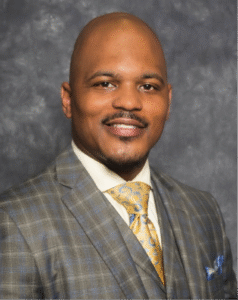
1. What motivated you to run for the Nordonia School Board?
I ran because I believe in the transformative power of public education. As a parent, community member, and graduate of public education, I wanted to ensure our schools continue to thrive and evolve. After serving nearly a complete term, I seek the opportunity to continue to bring a balanced, thoughtful voice to the board, someone who listens, collaborates, and advocate for students and staff. I look forward to continuing this charge in the next term if given the opportunity to serve another term.
2. In your view, who is the primary group you will be serving as a school board member, and why?
Students are at the heart of every decision we make. While we serve the entire community, our primary responsibility is to ensure that every student receives a high-quality education in a safe and supportive environment. Their success is our mission.
3. What is your experience with Nordonia Schools?
I’m a proud parent of two students currently enrolled, one senior and a 6th grader. I have participated in district events ranging from school functions and school community planning groups to athletic competitions. I’ve seen the district from multiple perspectives: parent, community member and board member.
4. What skills, strengths, or perspectives do you bring that make you well-suited for this role?
I bring a collaborative mindset, a strong understanding of public policy, and a deep commitment to transparency. My professional background in education and public service helps me navigate complex issues, and my experience as a parent keeps me grounded in the real-world impact of our decisions.
5. A key responsibility of the School Board is ensuring the public is well-informed. How do you plan to ensure that accurate, timely, and transparent information about our schools is shared with the community?
We’ve made strides in improving communication, but I believe in going further, regular newsletters, open forums, and leveraging social media to share updates. We currently for live-stream all our public meetings to allow parents and community members to stay informed and engaged
6. What do you believe Nordonia Schools are doing well?
Our academic programs continue to grow, and our staff is deeply committed to student success. I’m proud of our extracurricular offerings from athletics to arts and the way our schools foster a sense of belonging. We’ve also made significant progress in technology integration and student support services.
7. In what areas would you like to see Nordonia improve?
Facility upgrades are a pressing need. We also need to expand our mental health resources, and ensure our curriculum reflects diverse perspectives. Transparency and community engagement can always be improved.
8. If elected, what would be your top three goals as a school board member?
1. Develop and implement a master facilities plan.
2. Expand student support services, especially in mental health and career readiness.
3. Strengthen community engagement and transparency in decision-making.
9. Can you explain the difference between an operating levy and a bond issue?
An operating levy funds day-to-day expenses like salaries, utilities, and classroom materials. A bond issue is used for long-term capital improvements—building new schools, renovating facilities, or upgrading infrastructure. Both require voter approval but serve different financial needs.
10. If you could change one thing about Ohio’s school funding system, what would it be and why?
I’d overhaul the reliance on local property taxes. It creates inequities between districts and puts undue pressure on communities. A more balanced, statewide funding model would ensure every student—regardless of zip code has access to quality education.
11. How would you balance the need for quality school facilities with the responsibility to be fiscally accountable to taxpayers?
It starts with transparency. We must clearly communicate needs, costs, and long-term benefits. I support phased approaches, public input, and exploring grants or partnerships to offset costs. Every dollar must be spent wisely, with both students and taxpayers in mind.
12. How familiar are you with the current state of Nordonia’s school buildings?
Very familiar. I’ve toured each building, reviewed maintenance reports, and spoken with staff about facility challenges. Many of our buildings are aging and require significant updates to meet modern educational standards and safety expectations.
13. Do you support the idea of developing a master facilities plan, and how would you engage the community in that process?Absolutely. A master plan provides a roadmap for responsible investment. I’d engage the community through town halls, surveys, and advisory committees, ensuring transparency and collaboration every step of the way.
14. A bond issue for new or renovated school buildings has been discussed in Nordonia in recent years. What is your perspective on pursuing a bond issue, and what factors would influence your decision?
I support exploring a bond issue, but only after thorough community engagement and current financial analysis. The decision must be data-driven and reflect the priorities of our residents. If our buildings can’t support 21st-century learning, we need to act, but with care and consensus.
15. What would you do to ensure that classroom materials, books, and curriculum reflect a broad range of experiences and identities, so all students can see themselves represented?
I’d advocate for inclusive curriculum reviews, professional development for staff, and student input. Representation matters, students should see themselves in what they learn. We must also ensure materials are age-appropriate, academically rigorous, and culturally responsive.
16. Do you have a favorite Nordonia tradition (sports, band, events, etc.)?
Friday night football games are hard to beat, the energy, the band, the community pride are second to none. But I also love our graduation ceremonies because they’re a powerful reminders of why we do this work.
17. What’s the best piece of advice you ever received from a teacher, coach, or mentor?
“Listen more than you speak.” It’s simple, but it’s shaped how I lead. Whether in the classroom, the boardroom, or the community—listening builds trust, understanding, and better outcomes.
Total Views: 270